

What is a Works Authorisation Deed (WAD)?

A Works Authorisation Deed is a legal agreement between Transport for NSW (TfNSW) and a developer. It is required for any works that impact state roads, classified roads, or TfNSW-controlled traffic infrastructure, such as:

  • New or modified intersections, slip lanes, or traffic control signals (TCS).
  • Adjustments to kerb alignments, medians, or pedestrian crossings.
  • Utility connections or drainage upgrades within or near TfNSW assets.

It is a means of ensuring any impacts from development to TfNSW’s road infrastructure are appropriately managed and that all restoration works are carried out in accordance with TfNSW specifications.
Why It Matters:

Where a WAD is required, it will generally need to be entered into as a precondition of obtaining a construction certificate (CC) for development works.  Execution of a WAD can be an involved process requiring subject matter expertise on the developer’s behalf. Failure to achieve execution of a WAD can delay or even prevent receipt of the Construction Certificate. Further, where works are not undertaken in accordance with the WAD, this can prevent the developer from eventually obtaining their Occupation Certificate (OC).

Why Developers Come Unstuck

TfNSW systems are complex – TfNSW requirements involve multiple departments, technical approvals, bonds, fees, and certifications that are not always clear to developers.

TfNSW standards are strict – All designs, contractors, and processes must align with TfNSW technical standards, as if it were one of their own projects.

The WAD process is rarely straightforward. Delays often arise due to:

  • Late identification of WAD triggers during Development Application (DA) or CC stages.
  • Insufficient design documentation or misunderstanding of TfNSW supplements to Austroads and Australian Standards.
  • Missing or delayed bank guarantees, insurances, or road occupancy licences (ROLs).
  • Failure to meet TfNSW’s internal review cycles, resulting in extended back-and-forth with case officers.
  • A lack of end-to-end project management across TfNSW, council, consultants, and contractors.

Our Experience with WAD Projects

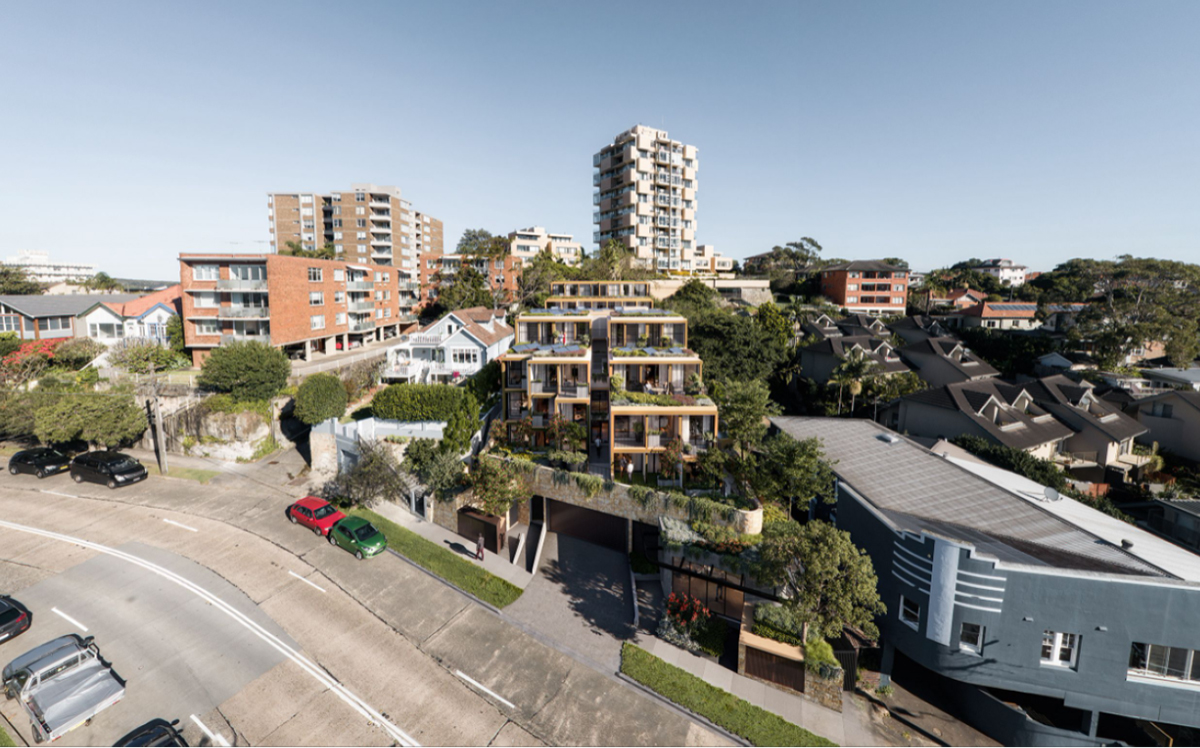
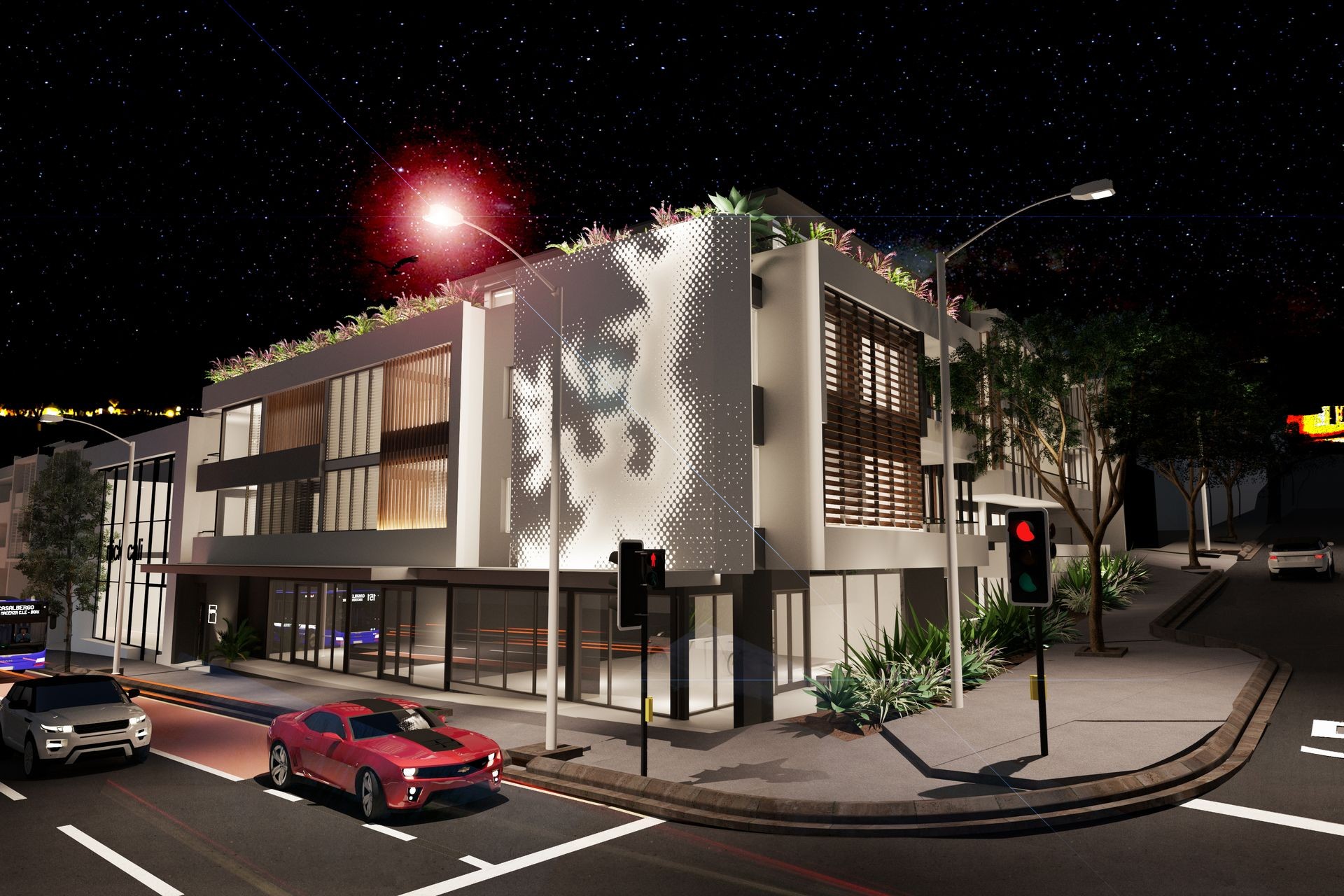
Our experience with Major and Minor WADs spans both commercial and residential developments, often with complex TfNSW interfaces.

The WAD Process – Simplified

Stage 1 – DA & Referral

Confirm WAD requirements with TfNSW.

Prepare traffic reports, strategic designs, and early engagement strategies.

Stage 2 – WAD Initiation & Execution

Coordinate with TfNSW for deed signing.

Secure legal documents, cost estimates, and performance bonds.

Stage 3 – Design & Documentation

Oversee concept and detailed design submissions, ensuring they meet TfNSW standards (including Austroads supplements).

Coordinate geotechnical reports, drainage plans, and traffic signal design (if applicable).

Stage 4 – Pre-Construction

Undertaking tendering activities to onboard a head prequalified road contractor and a project verifier (where required).

Submit and certify Project Management Plans (Quality, Environmental, Safety, Community) and all pre-construction documentations.

Ensure insurances, bank guarantees, and contractor prequalifications are in place.

Stage 5 – Construction & Practical Completion

Provide ongoing support to ensure TfNSW requirements are met during works.

Manage defect resolution, WAE submissions, and the final TfNSW certificate.

Why Choose Us?

Developer-Focused

We know how to protect timelines and prevent CC and OC delays.

End-to-End Service

From DA to handover, we work alongside your consultants, builders, and certifiers.

In-Depth Knowledge

Our team understands TfNSW internal systems, processes, and approval pathways.

Proven Track Record

We’ve delivered multiple WAD projects across NSW.

Enquire Now

End-to-End Service: From DA to handover, we work alongside your consultants, builders, and certifiers.